
Best Betta Fish Food for Optimal Nutrition

Amanda Sherman · on 17 July 2026 · 6 min read · Last reviewed 17 July 2026
Supplements and treats for betta fish
Betta fish food is the focus here. Supplements and treats can enhance your betta’s diet, providing additional nutrients and mental stimulation.
- Supplements like beta-glucans can boost your betta’s immune system.
- Treats such as freeze-dried tubifex worms are high in protein and can be used sparingly.
- Live foods like mosquito larvae can stimulate your betta’s natural hunting instincts.
- Overfeeding treats can lead to nutritional imbalances and health issues.
| Supplement/Treat | Benefits | Feeding Frequency | Potential Drawbacks |
|---|---|---|---|
| Beta-glucan supplements | Boosts immune system, enhances coloration | 2-3 times a week | Can be expensive |
| Freeze-dried tubifex worms | High in protein, easy to store | 1-2 times a week | Low in some essential nutrients |
| Live mosquito larvae | Stimulates natural hunting behavior, high in protein | 1-2 times a week | Risk of introducing parasites |
| VitaChem or other vitamin supplements | Provides essential vitamins and minerals | 2-3 times a week | Over-supplementation can be harmful |
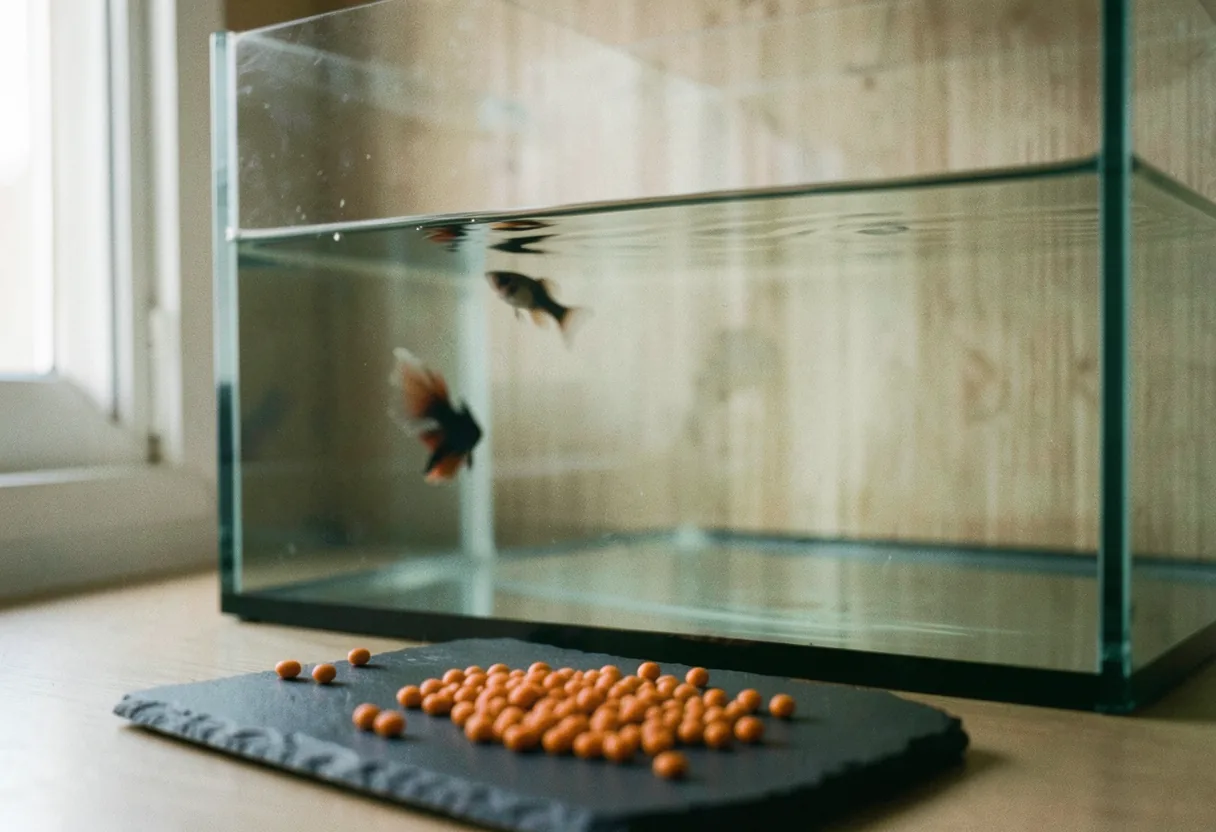
Live foods: The natural choice
Live foods offer the most natural diet for betta fish, mimicking what they would eat in the wild.
In my experience, live foods like mosquito larvae and brine shrimp are highly motivating for bettas, encouraging their natural hunting behaviors. They require careful sourcing to avoid introducing parasites or diseases into the tank. It’s crucial to purchase live foods from reputable suppliers or culture them yourself to ensure they are safe for your betta. Live foods should be used as a supplement to a balanced diet, not as the primary food source.
Brine shrimp, for instance, are a popular choice due to their high protein content and ease of cultivation. According to the Aquarium Hobbyist Guide, brine shrimp can be hatched at home using brine shrimp eggs and saltwater. This method ensures a steady supply of live food and reduces the risk of contamination.
For bettas that prefer a more varied diet, daphnia, also known as water fleas, are another excellent option. These small crustaceans are rich in nutrients and can be found in many pet stores. However, it’s essential to rinse them thoroughly before feeding to remove any potential contaminants.
Feeding techniques for betta fish
Proper feeding techniques are essential for maintaining your betta’s health and ensuring they receive the right nutrition.
- Betta fish have small stomachs, so they should be fed small amounts twice a day.
- Overfeeding can lead to obesity, constipation, and poor water quality.
- It’s important to remove any uneaten food after feeding to maintain water quality.
- Variety in diet can help prevent nutritional deficiencies and boredom.
| Feeding Technique | Description | Benefits | Challenges |
|---|---|---|---|
| Target feeding | Using a small tool to place food directly in front of the betta | Ensures the betta eats and reduces water pollution | Requires patience and practice |
| Broadcast feeding | Sprinkling food around the tank | Encourages natural foraging behavior | Can lead to uneaten food and poor water quality |
| Fast feeding | Skipping a day of feeding to allow the digestive system to rest | Helps prevent obesity and constipation | Should be done sparingly and with caution |
How to choose the best betta fish food
To choose the best betta fish food, consider the following criteria:
- Protein Content: Look for a food with a protein content of at least 40%. Betta fish are carnivorous and require a high-protein diet.
- Form: Decide between pellets, flakes, frozen, and live foods based on convenience and your betta’s preferences.
- Nutritional Variety: Opt for foods that are fortified with vitamins and minerals to ensure a balanced diet.
- Brand Reputation: Choose reputable brands known for quality and reliability in the betta community.
Betta fish food and health
The right betta fish food plays a crucial role in maintaining your betta’s health.
According to the Singapore Food Agency, a balanced diet can prevent common health issues such as fin rot and bloating. Pellets and frozen foods are often fortified with essential vitamins and minerals, supporting immune function and overall vitality. Live foods can stimulate natural hunting behaviors, but they must be sourced responsibly to avoid introducing parasites or diseases into the tank.
One common health issue that can be mitigated through proper diet is constipation. Betta fish are prone to constipation, which can be caused by overfeeding or a diet lacking in fiber. To prevent this, include foods high in fiber, such as peas, in your betta’s diet. Additionally, fast feeding once a week can help maintain a healthy digestive system.
Deciphering the information on betta fish food packaging
Deciphering betta fish food labels is essential for choosing appropriate nutrition for your betta.
The first ingredient listed on the label is typically the most abundant. For betta fish food, this should be a high-quality protein source like fish meal or shrimp meal. Avoid foods that list fillers like wheat or soy as the primary ingredient, as these provide little nutritional value. Additionally, look for foods that are fortified with essential vitamins and minerals, such as vitamin C and E, which support immune function and overall health.
It’s also important to check the guaranteed analysis on the label, which provides information on the minimum percentages of protein, fat, fiber, and moisture. According to the American Fish Society, a high-quality betta fish food should have a protein content of at least 40% and a fat content of around 10%. This ensures your betta receives the necessary nutrients for growth and vitality.
For bettas with specific health needs, such as those prone to bloating or constipation, look for foods that include prebiotic fibers. These fibers promote healthy digestion and can help prevent common digestive issues. Additionally, some specialized foods are designed to enhance coloration, making them ideal for bettas with vibrant hues.
How often should I feed my betta fish?
You should feed your betta fish small amounts twice a day. Overfeeding can lead to health issues and poor water quality.
Can betta fish eat human food?
Betta fish should not eat human food. Their digestive systems are designed for specific types of protein and nutrients found in specialized betta fish food.
What are the signs of a poor diet in betta fish?
Signs of a poor diet include lethargy, faded colors, fin clipping, and bloating. Ensuring a balanced diet can help prevent these issues.
How can I introduce variety into my betta’s diet?
To introduce variety, rotate between different types of food such as pellets, frozen foods, and live foods. You can also use supplements and treats sparingly to provide additional nutrients and mental stimulation.
What should I do if my betta fish refuses to eat?
If your betta fish refuses to eat, try offering different types of food to see if they have a preference. Ensure the water quality is good and the temperature is suitable. If the problem persists, consult a veterinarian who specializes in fish health.
Selecting appropriate betta fish food is crucial for your betta’s health and happiness. Whether you choose the ease of pellets or the nutritional advantage of frozen foods, always focus on high-quality, specialized nutrition suited to your betta’s requirements. Knowing the various types of betta fish food and their benefits helps ensure your betta flourishes in its aquarium habitat. For more advice on creating the ideal betta fish tank, see our guide on Setting Up the Perfect Betta Fish Tanklook into the advantages of live foods and correct feeding methods to improve your betta’s diet and well-being. Keep in mind that a balanced diet is crucial for a content and healthy betta fish.
What’s the difference between flakes and pellets for betta fish?
Flakes disperse easily, risking water quality, but some bettas prefer them. Pellets sink slowly, reducing waste and targeting nutrition. Opt for small, slow-sinking pellets designed for bettas to mimic their natural feeding behavior. Check labels for protein content, 25-40% is ideal.
How often should bettas eat frozen or live food?
Once or twice weekly, supplement with bloodworms or brine shrimp. Live food risks parasites; frozen is safer. Never overfeed, stick to portions your betta can eat in 2 minutes. Variety supports health, but balance with high-quality pellets to avoid nutritional gaps.
Can bettas survive on plant-based diets?
Bettas are carnivores. Plant-based diets lack essential proteins and fats. Occasional algae wafers are fine, but core nutrition must come from animal-based sources. Look for pellets with fish meal or shrimp as the first ingredient to ensure proper growth and coloration.
Why do some betta foods include color enhancers?
Enhancers like astaxanthin boost red and blue hues by increasing carotenoid levels. Natural colors fade without proper nutrition. Choose foods with whole-food ingredients like shrimp or krill over artificial dyes. Vibrant colors indicate health, but prioritize protein quality over pigment.
See also: Betta Koi: Hybrid Fish Care and Breeding.
See also: Betta Fish Water Temp: Ideal Range and Control.
See also: Types Betta Fish: Complete Breed Guide.